Business bridging finance
Bridge the gap between now and your exit
Buying before you sell, waiting on a settlement, a refinance, an insurance payout, an R&D refund or a grant? We fund the span between the two events, and we plan the exit before anything else.
- No credit check to enquire
- $20k – $5m property-secured
- One team, never shopped around
No credit check to enquire
Mapping out your bridge doesn't touch your credit file. A credit check only comes up once you choose to go ahead.
No spray-and-pray
Your enquiry isn't fired off to a list of lenders. It stays with one team that works your gap and your exit properly.
A real person on your file
A bridging specialist reads what you've sent and calls you. Accurate answers on the form mean the right structure first time.
Event A → Event B
Which gap are you standing in?
Every bridge has two ends. Pick the one that looks like yours to see how it's usually funded, what the exit looks like and what a lender will ask.
Signature tool
Three numbers tell you if a bridge stands up
Slide in your security value, your peak debt and what the exit will bring in. You'll see your equity cover and the debt left once the exit lands. The full calculator adds dates, a buffer and a drawn-to-scale timeline.
Open the full calculator →Exit first
We start at the far side of the bridge
Most finance conversations begin with "how much do you need?" Ours begins with "what pays it back, and when?"
A bridging loan isn't repaid by years of instalments. It's repaid by one event. So the first job is to make that event solid on paper: a contract, an approval, a lodged claim, an assessment. Get that right and the structure almost chooses itself.
Read about exit plans or run the exit strength check.
MythBridging loans are only for home buyers.
In practiceBusinesses use them to buy premises, cover delayed settlements, wait out refinances, and carry costs until refunds, claims or grants land.
MythThe bigger the property, the easier the approval.
In practiceEquity helps, but the exit decides it. A modest bridge with a signed contract behind it is often simpler than a large one with a hopeful sale.
MythYou need to know the exact exit date.
In practiceYou need a realistic window and a buffer. What matters is that the term covers the slow case, not the best case.
MythEvery enquiry gets shopped around.
In practiceNot here. Your details stay with one team, and there's no credit check when you first enquire.
How it works
From sketch to sign-off in four stages
No forms sent to twenty lenders and no waiting to hear from a stranger. One team works your bridge from the first call to settlement.
- 01
Sketch the gap
Your 60-second enquiry tells us the two events, the amount and the property or trading behind it.
- 02
Survey the exit
A bridging specialist calls to test the exit: what repays the loan, when, and the paper that proves it.
- 03
Draw the structure
First or second mortgage, caveat or unsecured; open or closed; sized to peak debt with room for delay.
- 04
Build and sign off
Documents, valuation where needed, then settlement, with funds paid where they need to go.
The engineering
Bridge structures
Security, peak debt, open or closed, first or second mortgage, caveat or unsecured. How each piece of a bridging loan is put together.
- Commercial bridging loans
- Open vs closed bridging
- Peak debt and end debt
- Second mortgage bridging
- Caveat bridging
- Home as security
- Unsecured bridging
- Bridging loan costs
The far side
Exit plans
A bridge is only as good as where it lands. What a credible exit looks like, the evidence behind it, and what happens if it slips.
- Exit strategy
- Exit by sale
- Exit by refinance
- Money you're owed
- Property not sold
- Bridging loan extension
- Exit evidence checklist
- Bridging loan term
Guides
Before the gap opens
Most bridges start as a question about something else: when a refund will land, how long a claim takes, whether to sell or buy first. These guides answer those first.
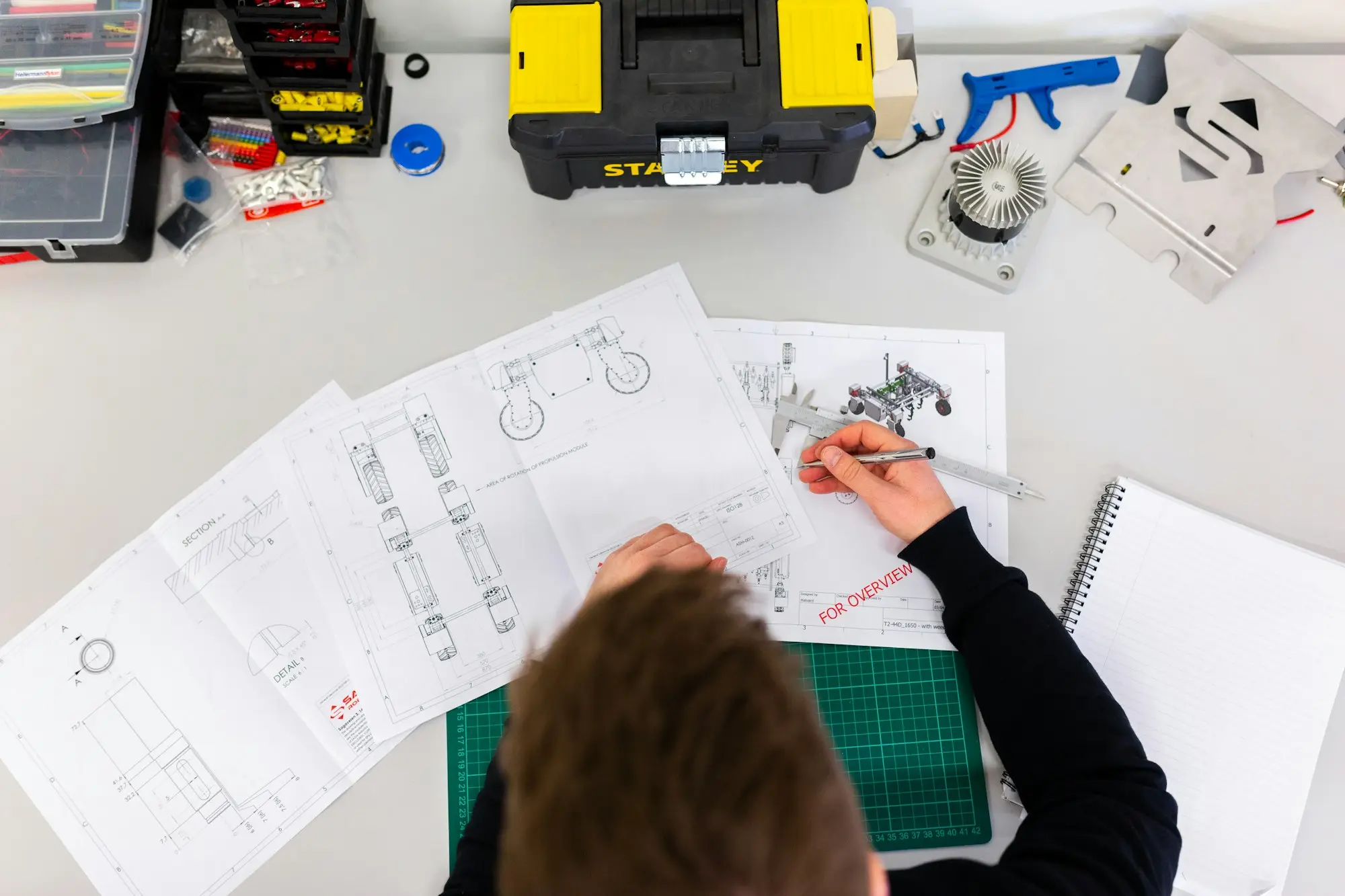
R&D Tax Incentive Refund Timeline: Year End to Cash
The R&D refund timeline, step by step: year end, DISR registration, tax return, ATO processing. Where the delays hide and how to plan cash flow around them.
Read the guide →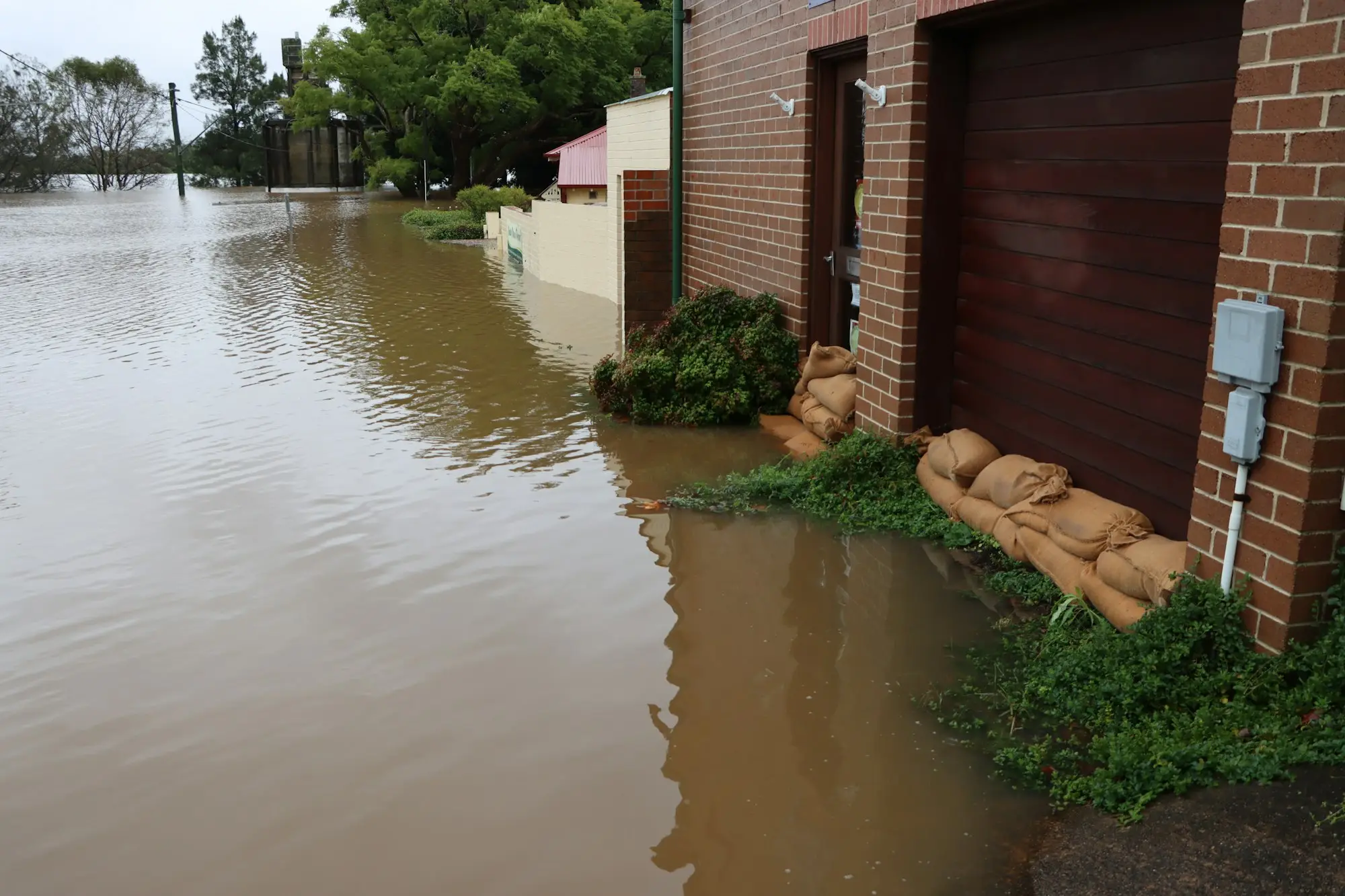
How Long Do Business Insurance Claims Take in Australia?
Fire, flood or storm: how long business and interruption claims take under the insurance code, what slows them down, and how to keep cash moving meanwhile.
Read the guide →
ATO Holding Your GST Refund? Why, and What to Do Next
Big BAS refund not arrived? Why the ATO retains refunds for checking, the 30-day rule, delayed refund interest, what to send and how to cover the gap.
Read the guide →Straight answers
Business bridging loans: common questions
What is a business bridging loan?
A business bridging loan is short-term finance that covers the gap between two events: something that needs paying now, and something that will pay you later. Common examples are buying new premises before the old ones sell, a settlement that runs late, or waiting on a refinance, refund, insurance claim or grant. The loan is repaid by that later event, which is called the exit.
How much can a business borrow on a bridging loan?
Property-secured bridging runs from $20,000 to $5,000,000, using first mortgages, second mortgages or caveats over residential or commercial property. For trading businesses without property, unsecured and cash-flow options are typically $5,000 to $500,000, sized on turnover and bank statements.
Do I need to own property to get bridging finance?
Not always. Property security opens up larger amounts and more structures, but a trading business waiting on a known payment may suit an unsecured cash-flow bridge instead. The right answer depends on the size of the gap and how certain the exit is.
What counts as an exit for a bridging loan?
A specific event that repays the loan: the settlement of a property or business sale, a refinance to a longer-term lender, or money owed to you such as an R&D Tax Incentive refund, an insurance payout, a grant milestone or a large contract payment. The clearer the evidence behind it, the easier the bridge is to structure.
Can I get a bridging loan with bad credit or an ATO debt?
Past credit problems and ATO debt are considered case by case. With a bridge, the security and the exit usually carry more weight than the history, so tell us about any issues up front and we can work out whether a structure fits.
Will enquiring affect my credit file?
No. There is no credit check when you first enquire. We only discuss a credit check once you've seen what's possible and decided to go ahead.
Can a bridging loan be used for personal purposes?
No. We arrange finance for business purposes only, such as business premises, investment property held for the business, working capital, tax, equipment or growth. Residential property can be used as security for a business-purpose loan.
More in the full FAQ, or ask us directly with a 60-second enquiry.
Tell us your two dates. We'll take it from there.
A 60-second enquiry, no credit check when you first enquire, and a real bridging specialist on the phone, not a queue of lenders. Accurate answers mean the right structure first time.
No credit check to enquire
No spray-and-pray
A real person on your file