Quick answer
Under the General Insurance Code of Practice, as summarised by Moneysmart, insurers respond to a claim within 10 business days, give progress updates at least every 20 business days and, except in some circumstances, decide the claim within four months of receiving it. Business interruption claims often take longer to finalise because they depend on accounts, the indemnity period and how quickly the business recovers.
Key points
- Code timeframes: response within 10 business days, updates every 20 business days
- A decision within four months of the claim, except in some circumstances
- Business interruption claims depend on accounts and the recovery period
- Good records and fast responses are the biggest levers you control
- Grants, concessional loans and bridging finance can cover the wait
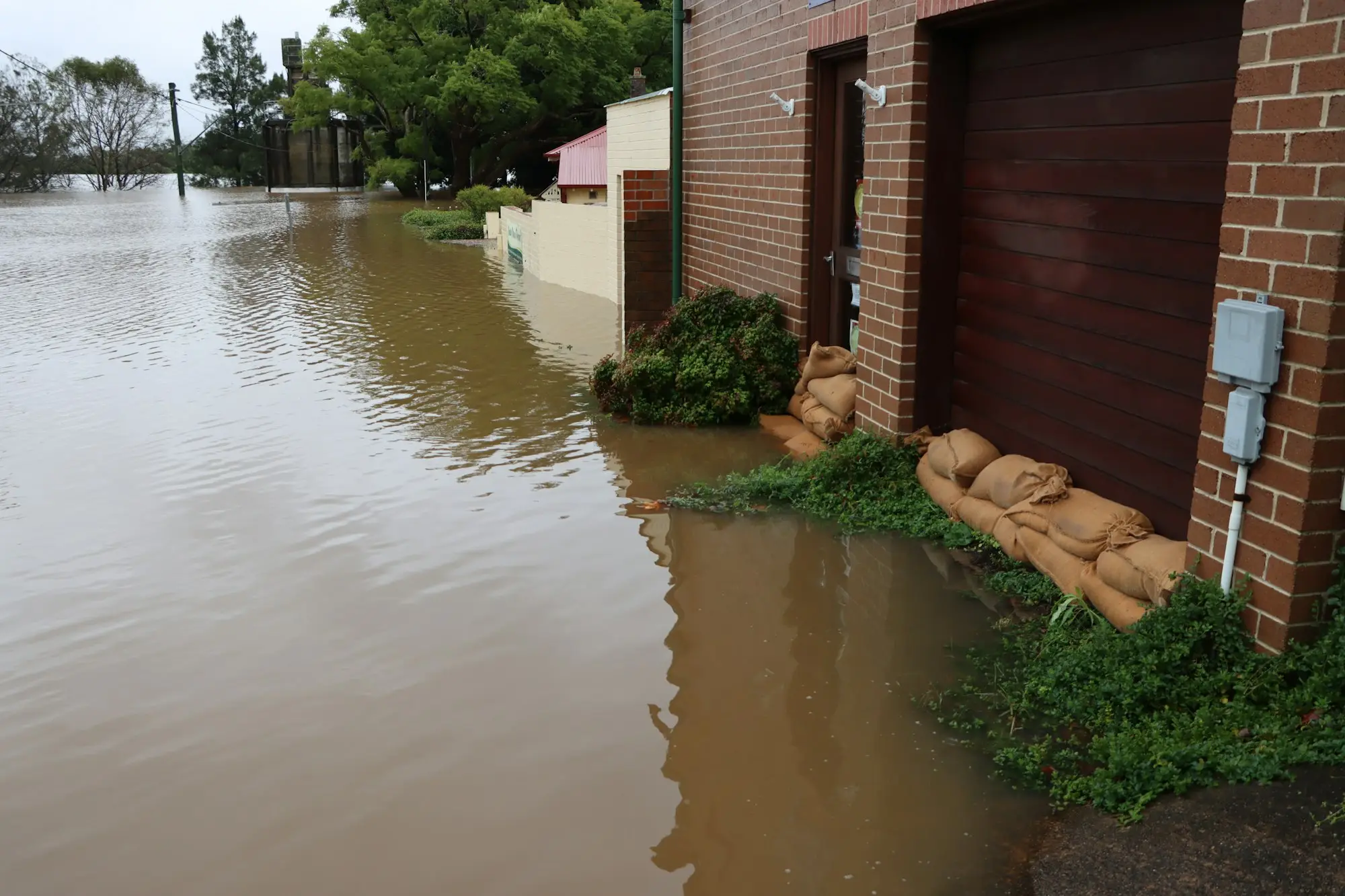
When a business suffers a fire, flood, storm or major break-in, the first days are about safety and salvage. Then the questions shift to money. How long will the insurer take? What will they pay? And how do we keep going until then?
This guide answers the first question as precisely as the rules allow, explains why business claims, especially business interruption claims, often take longer than owners expect, and sets out a practical plan for the months in between.
What timeframes do insurers have to meet?
Most Australian general insurers subscribe to the General Insurance Code of Practice. Moneysmart summarises the key claim timeframes:
- A response within 10 business days of making a claim.
- Progress updates at least every 20 business days.
- A decision within four months of receiving the claim, except in a few circumstances.
Two things to note. First, “decision” isn’t the same as “final payment”. Once a claim is accepted, payment follows, and for building work it may be staged. Second, the four-month limit has exceptions, and complex claims or those needing more information can take longer.
What are the stages of a business claim?
Every claim is different, but a typical property damage and business interruption claim follows a pattern like this:
| Stage | What happens | Who’s waiting on whom |
|---|---|---|
| 1. Lodgement | You notify the insurer and get a claim number | Insurer waits on you |
| 2. Make-safe | Emergency repairs to prevent further damage | Often insurer-approved |
| 3. Assessment | Loss adjuster or assessor inspects and reports | You wait on insurer |
| 4. Scope and quotes | Builders and suppliers quote; insurer reviews | Both ways |
| 5. Decision | Insurer accepts, partly accepts or declines | You wait on insurer |
| 6. Settlement of property damage | Payment, repairs authorised or cash settled | Staged over time |
| 7. Business interruption | Loss calculated from your accounts over the indemnity period | Both ways, often longest |
The business interruption part usually runs longest because the loss isn’t known until the business has recovered or the indemnity period ends.
Why do business interruption claims take so long?
Business interruption (BI) cover pays for lost gross profit and extra costs while the business recovers, up to the limits in the policy. To work out the loss, the insurer compares what actually happened after the event with what would have happened without it. That requires:
- Historical accounts to establish the trend.
- Post-event results, month by month, as the business recovers.
- Evidence of extra costs, such as temporary premises, hire equipment or overtime.
- Sometimes a forensic accountant appointed by the insurer, and occasionally one by you.
Because the numbers keep coming in until recovery is complete, BI claims are often settled in stages. The practical result is that the money to replace lost profit usually arrives after the costs it’s meant to cover.
What slows claims down, and what can you do about it?
Most delays trace back to missing information. The levers you control:
- Lodge immediately and quote your claim number on everything.
- Photograph and video everything before clean-up, and keep damaged stock if asked.
- Keep every invoice and receipt for emergency work, hire, accommodation and replacement stock.
- Get your accounts current. A BI claim moves faster if last year’s financials and this year’s management accounts are ready.
- Respond to requests the same week. Each round of back-and-forth can cost weeks.
- Keep a contact log of calls and emails, with dates.
- Consider professional help. An insurance broker or claims preparer may help with complex claims.
If your claim is being handled slowly or unfairly, complain to the insurer in writing first. If that doesn’t resolve it, small businesses can escalate to the Australian Financial Complaints Authority, subject to its eligibility rules.
How do you keep the business going while you wait?
The cash gap during a claim is real. Fixed costs keep running: rent, loan repayments, wages for staff you want to keep, insurance premiums, tax. Revenue has dropped or stopped. A plan for the gap usually draws on several sources at once:
- Progress payments from the insurer. Ask what can be paid now, for example the make-safe costs or an agreed part of the stock loss.
- Government support. After declared disasters, the Australian and state governments may offer grants and concessional loans. Disaster Assist lists events and assistance by area, and business.gov.au summarises business help, including the Small Business Debt Helpline.
- Supplier and landlord arrangements. Many will agree to temporary terms if asked early.
- ATO support. The ATO may be able to help businesses affected by disasters with lodgement or payment arrangements.
- Bridging finance, with the claim payment as the exit.
If the claim is the thing that will eventually put things right, a short bridge can keep staff and customers in place until it does. You can ask how a claim bridge would work for you without it affecting your credit file.
How much should you rely on the claim amount?
Carefully. What the insurer pays can differ from what you claim because of:
- The excess on each part of the claim.
- Sums insured that are lower than the actual loss (under-insurance).
- Exclusions in the policy wording.
- Depreciation on some items, depending on the policy.
- Items in dispute about cause or scope.
For planning, work from the amount you’re confident of, not the headline claim. If you’re considering finance, lenders will do the same. The bridging calculator lets you test a lower payout to see how much of a bridge it would clear.
An illustrative example
A family-run hardware store in a regional town is flooded. The building needs significant repairs, most stock is lost, and the store can’t trade for an estimated four months. The claim covers the building, contents and six months of business interruption.
- Week 1: claim lodged; make-safe and clean-up begin; staff kept on for the clean-up.
- Week 3: loss adjuster’s report received; stock loss partly agreed.
- Month 2: builder’s scope approved; first progress payment for stock.
- Month 4: building works well advanced; store reopens with reduced range.
- Month 7 onwards: BI claim finalised in stages as trading results come in.
The owners use a bridge secured over the building to fund restocking and wages between month 1 and month 4, sized at about 60% of the claim estimate. As payments arrive, the bridge is reduced. (Illustrative scenario.) Our page on bridging to an insurance payout explains how lenders assess this kind of exit, and the broader page on bridging against money you’re owed covers claims alongside refunds and grants. If you don’t own property, an unsecured cash-flow bridge may suit a smaller gap, provided trading hasn’t been too badly interrupted.
What should you do in the first 30 days after a loss?
- Lodge the claim and get the claim number.
- Document the damage thoroughly.
- Arrange make-safe work and keep invoices.
- Ask the insurer for the name of your assessor and the next steps in writing.
- Pull together your last two years of accounts and current management accounts.
- Check Disaster Assist if a disaster has been declared.
- Map your costs week by week for the next four to six months.
- Decide how you’ll fund the gap, and start any finance conversation early.
When the insurer’s clock and yours don’t match
The claim will be decided on the insurer’s timetable. Your wages, rent and suppliers run on yours. If there’s a gap between the two, let’s look at it together. It’s a 60-second enquiry, there’s no credit check when you first enquire, and your details aren’t circulated to other lenders. A real person who understands claim gaps will call you back.
Please include the claim estimate, what has already been paid and the security you can offer. The more accurate the picture, the better we can size the bridge from the start.
Frequently asked questions
How long does an insurer have to decide a business insurance claim?
Moneysmart's summary of the General Insurance Code of Practice says insurers will, except for a few circumstances, make a decision within four months of receiving the claim. They should respond within 10 business days and update you on progress at least every 20 business days.
Why do business interruption claims take longer?
Because the loss isn't fully known until the business has recovered or the indemnity period ends. The insurer needs financial records to compare actual results with what would have happened, and those numbers take time to produce.
Can I get an interim or progress payment?
Many insurers make progress payments on larger claims once parts of the loss are agreed. Ask your insurer or broker what can be paid early and what information they need.
What can I do if my claim is taking too long?
Raise a complaint with the insurer first. If it isn't resolved, small businesses can take complaints about insurers to the Australian Financial Complaints Authority, subject to its rules.
Is there government help after a natural disaster?
For declared disasters, grants, concessional loans and other support may be available. Disaster Assist and business.gov.au list what's available by event and location.
Can I borrow while waiting for my insurance payout?
Yes. A bridging loan can fund repairs, stock and wages, with the claim payment as the planned exit. It's usually secured over property, or assessed on trading for smaller amounts.